Industrial Shipping Container Parts & Component Supply
Turn Our Bulk Buying Power Into Your Competitive Advantage.
As a primary manufacturer of custom ISO enclosures for defense and aerospace primes, Ultimate Bunker buys premium, factory OEM CIMC container components at massive volume. We don’t stock cheap, aftermarket retail pieces. We supply commercial fabrication shops, structural welders, and modular builders across the country with the exact same high-spec, raw Corten steel and ISO-compliant hardware we use in our own elite builds. Stop waiting on unpredictable international lead times or paying marked-up retail prices for single components. Partner with Ultimate Bunker to secure a reliable, domestic supply chain for all your structural panels, ISO corner castings, and heavy-duty locking assemblies.
Why Fabrication Commercial Shops Source From Us:
• True Factory Grade: Every panel, casting, and hardware assembly meets strict industrial tolerances and weldability standards. • Volume Pricing & Tiered Discounts: Scaled wholesale pricing that protects your margins on large-scale fabrication projects. • Rapid B2B Fulfillment: Freight-ready shipping and local pickup options to keep your shop’s production lines moving without delay.
All our Steel Container Parts are OEM CIMC parts Made of High Quality CORTEN Steel
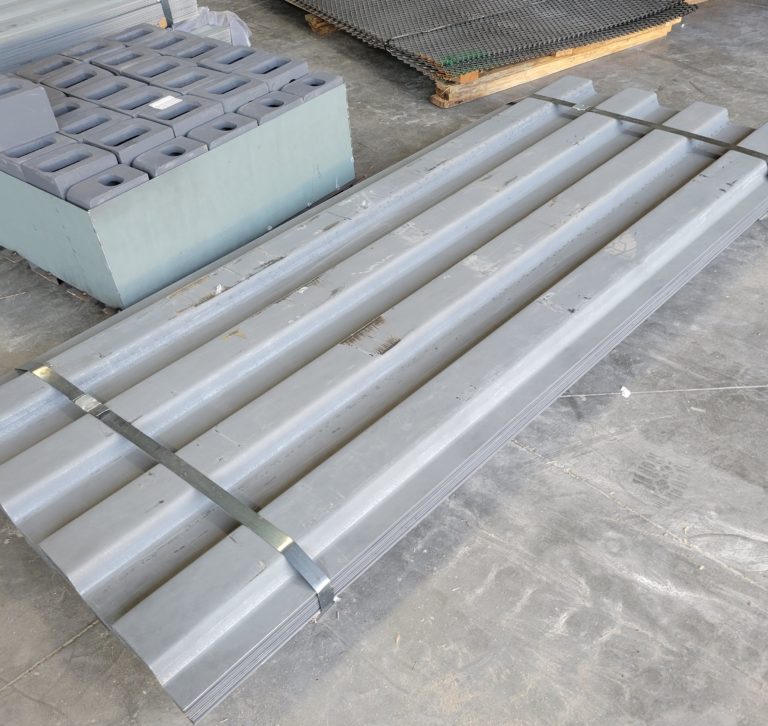
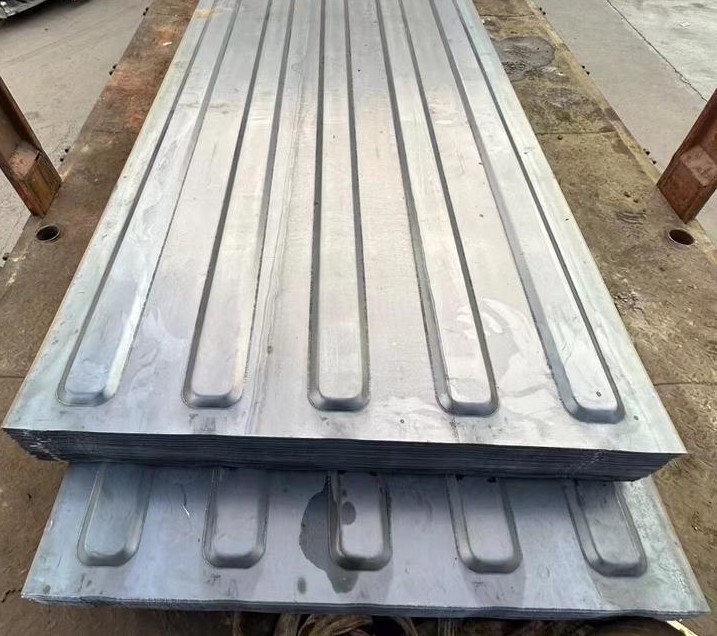
Side Panels
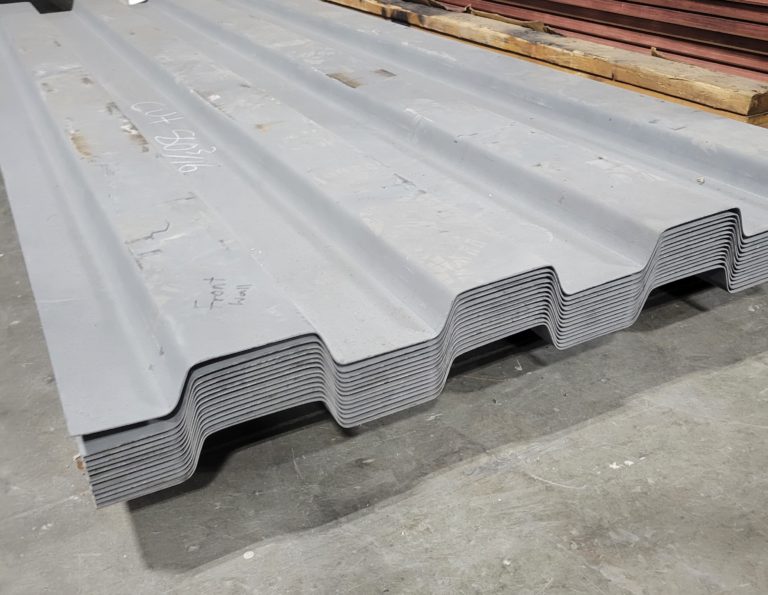
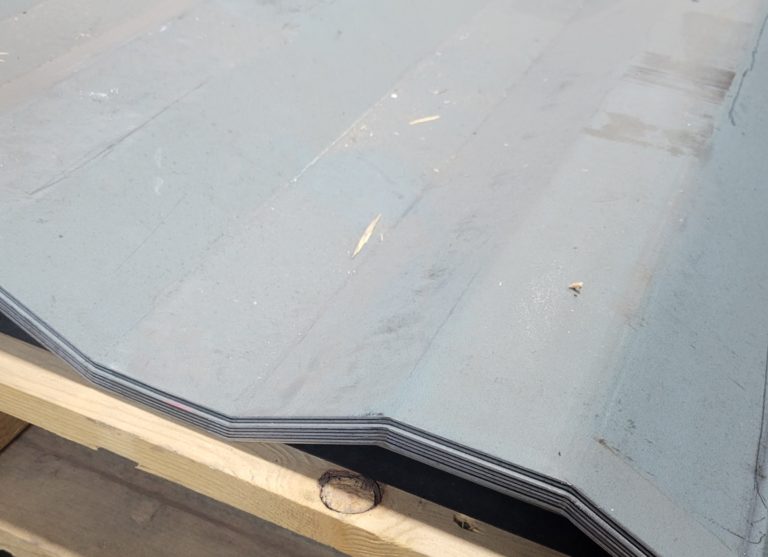
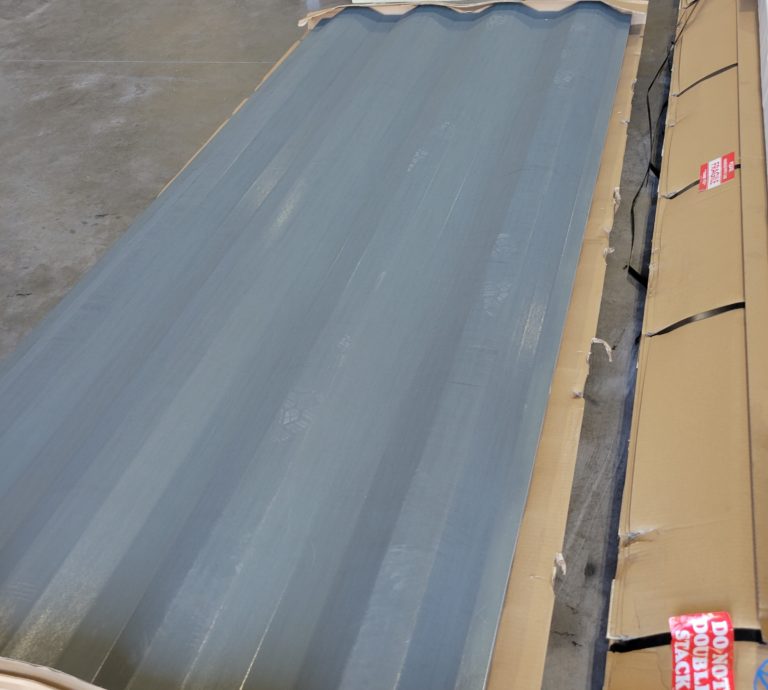
Roof Panels
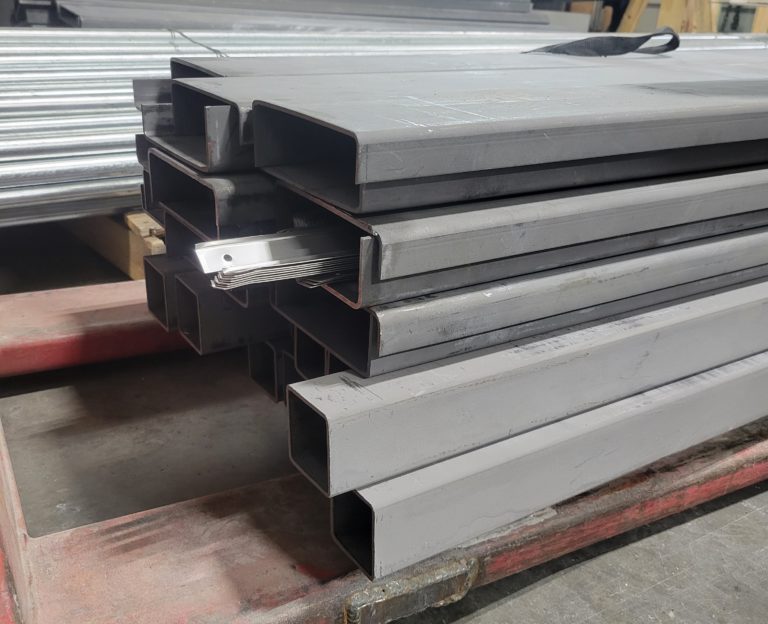
Crossmembers
Corner Post
Doors and Door Hardware
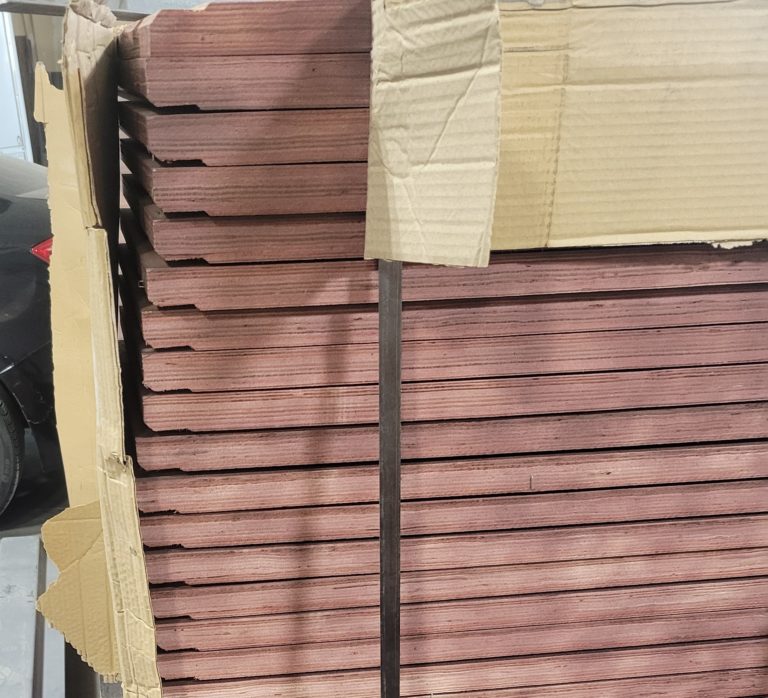
1 1/8 Marine Grade Shipping Container Plywood
Lock Boxes
Hinges and Pins
Lashing Rings
Corner Castings
Bottom Side Rails
Top Side Rails
Nuts and Bolts
Door Gaskets
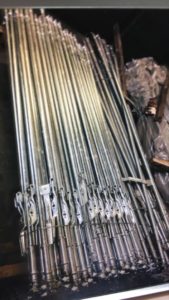
Lock Rod Kits
Vents
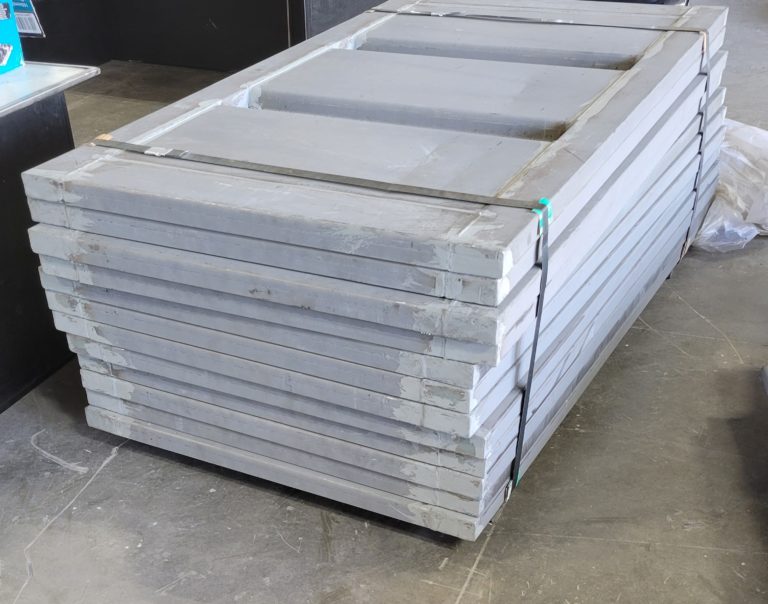
Front End Panels
What is CORTEN Steel?
What kind of steel is used in shipping containers?
The corrugated wall panels, frame, cargo doors, and cross members of metal shipping containers are all made from CORTEN steel. This special type of steel, also known as weathering steel, is the primary material in shipping containers.
Why is CORTEN steel used in shipping containers?
Often built to transport cargo around the world, they are transported by boat and are exposed to all outside elements. Because of this, manufacturers use CORTEN steel so the units have an additional layer of protection to prevent them corroding.
What is special about CORTEN steel?
Using Corten Steel in Planter Design & When specifying …
Corten Steel is also known as a ‘weathering steel’, as the steel forms a protective layer on its surface under the influence of the weather; and it is this protective layer that gives Corten far superior resistance to atmospheric corrosion, compared to other steels.
Is CORTEN Self Healing?
The layer protecting the surface develops and regenerates continuously when subjected to the influence of the weather. The same process allows Corten to ‘heal itself’. So, if, say, the surface is scratched, then the exposed area will regenerate its protective layer; and, over time, this area will blend in with surrounding areas, and be essentially invisible.
Counter-intuitively, Corten Steel doesn’t actually like being constantly dry; and nor does it like being constantly wet. In fact, what Corten Steel likes best of all is to be wet, then dry, then wet, then dry – and so on. In other words, the degree to which Corten’s surface weathers [and thus its ultimate longevity] is positively improved by being subjected to repeat wet-dry cycles.
CORTEN Steel is also known as Weathering steel
often referred to by the genericised trademarkCOR-TEN steel and sometimes written without the hyphen as corten steel, is a group of steel alloys which were developed to eliminate the need for painting, and form a stable rust-like appearance after several years’ exposure to weather.